
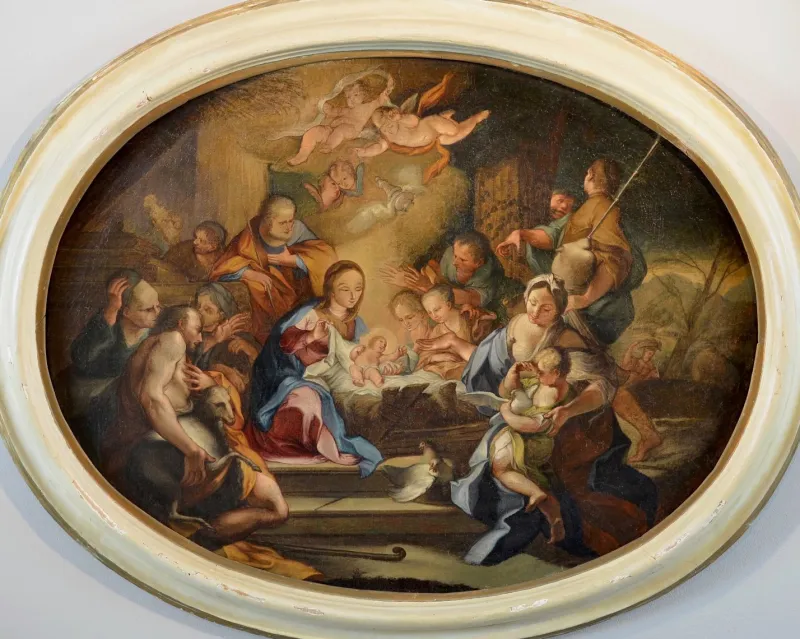
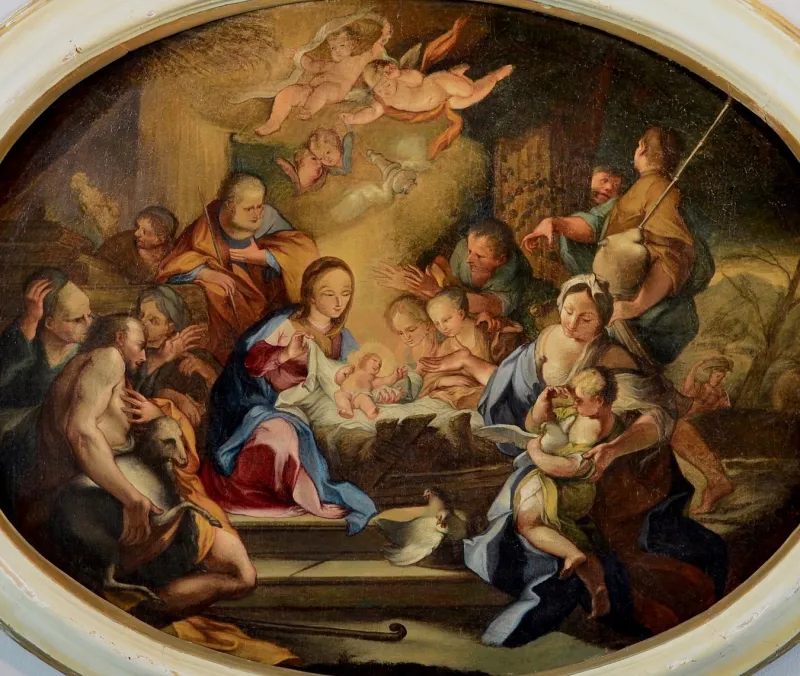
Hot Pamono Circle of Sebastiano Conca, Adoration of the Shepherds, 1720, Oil on Canvas
$126.89
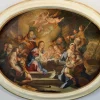
Sebastiano Conca (Gaeta, 1680 – Naples, 1764) circle ofThe Adoration of the ShepherdsOval oil on canvas, (cm): 122 x 99,…
The Adoration of the Shepherds
Oval oil on canvas, (cm): 122 x 99, framed
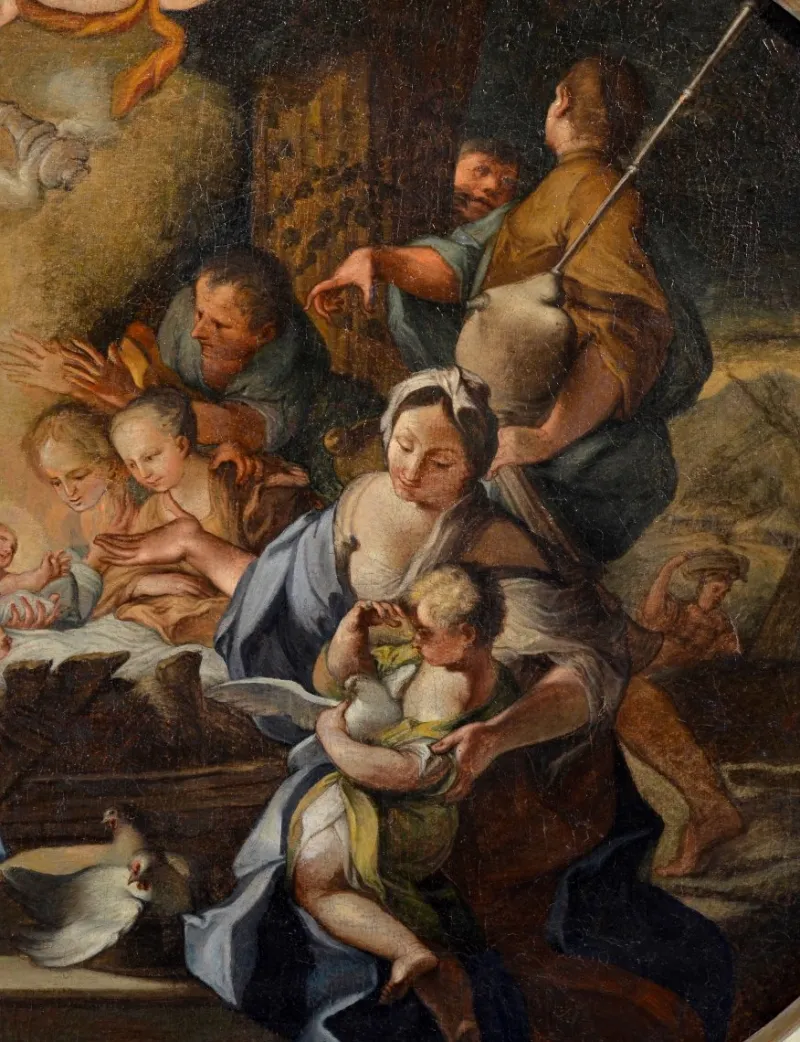
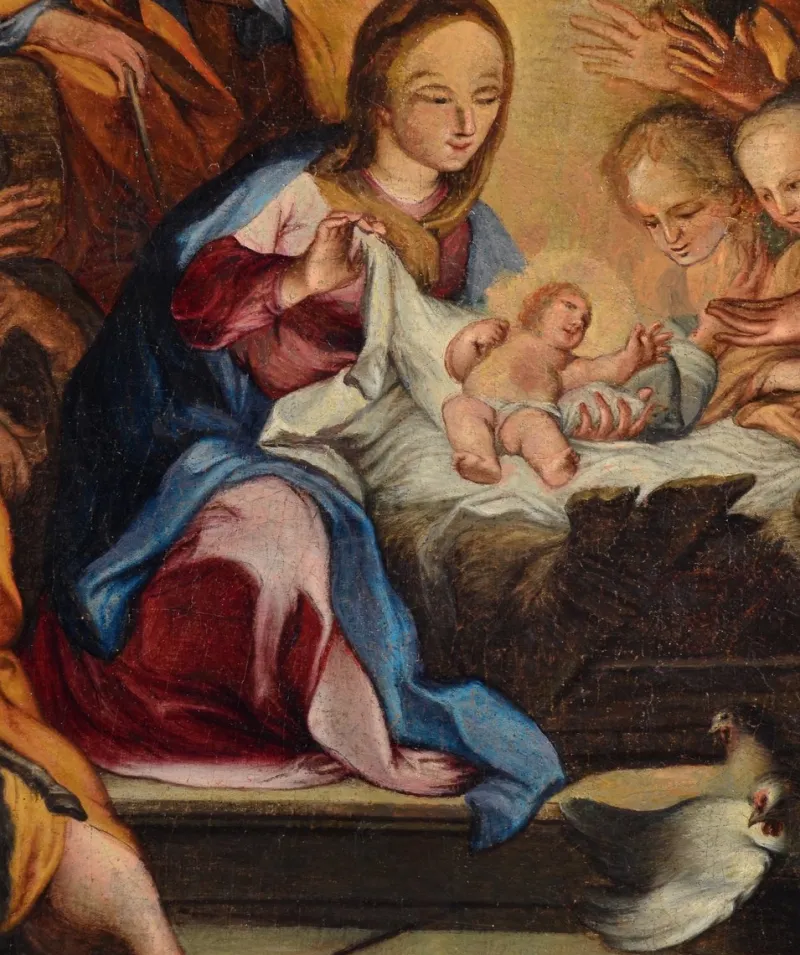
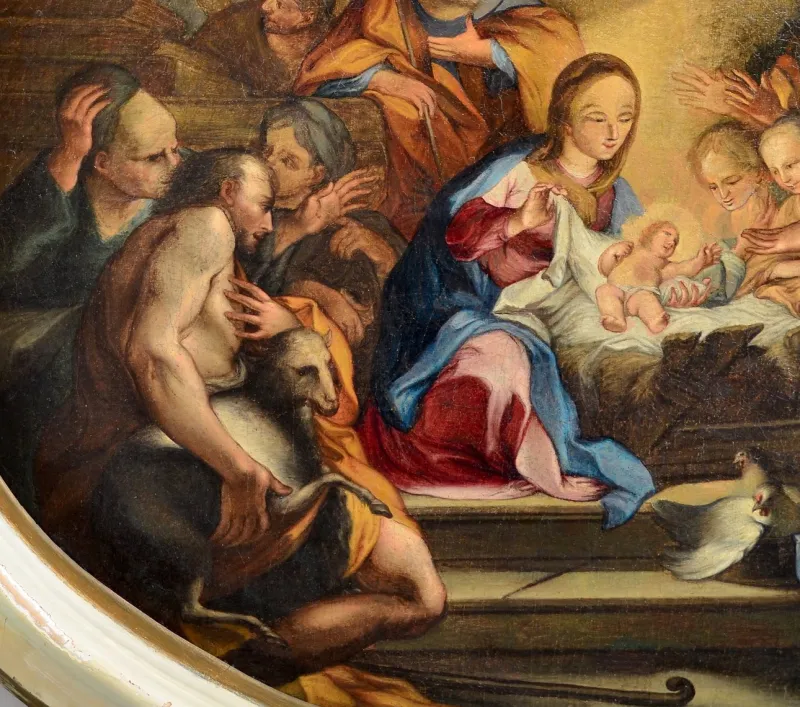
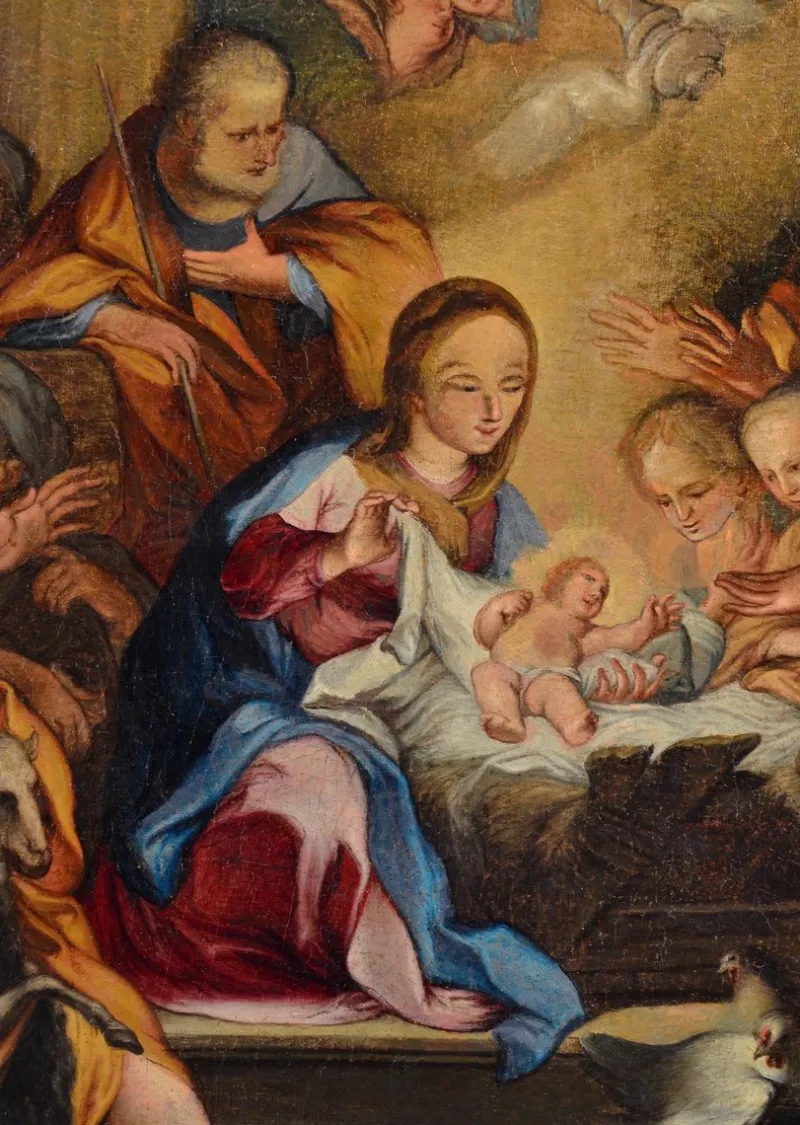
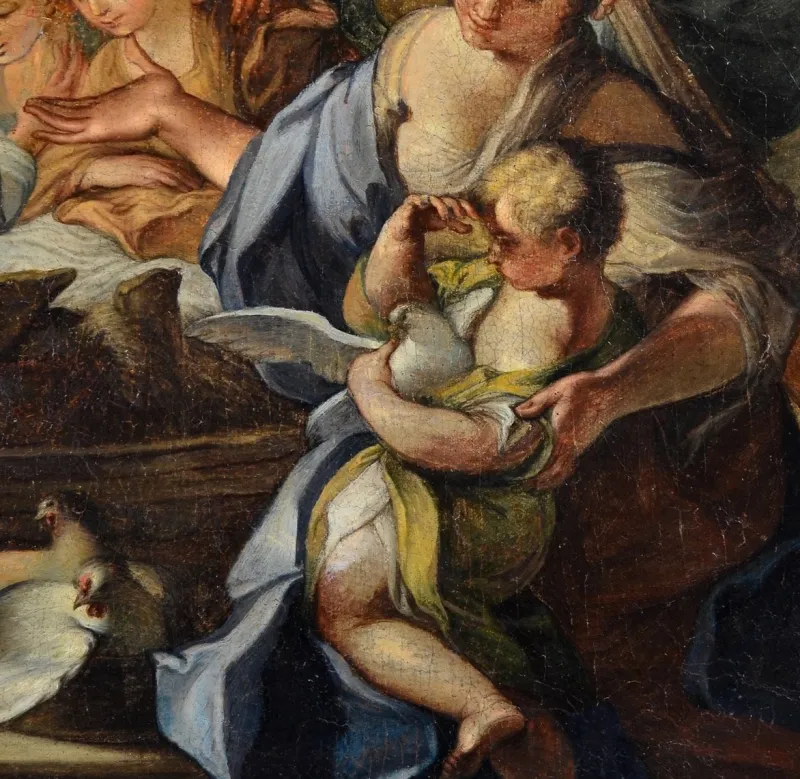
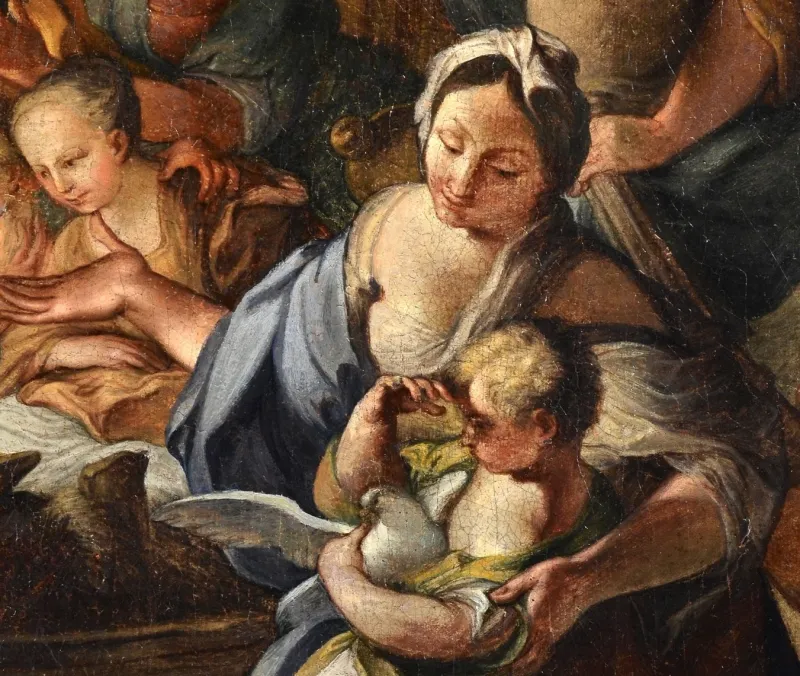
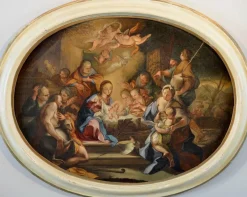
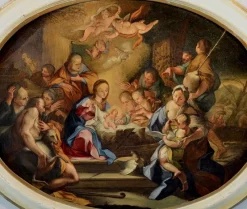
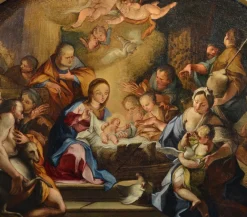
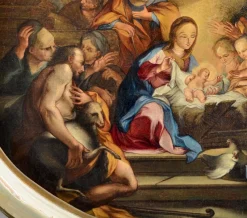
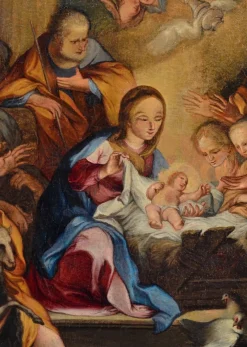
This attractive painting, an oval-shaped oil on canvas, is a re-edition of a painting by Sebastiano Conca executed around 1710 for Cardinal Pietro Ottoboni (now housed at the Paul Getty Museum in Los Angeles), which was very successful in the early 18th century.
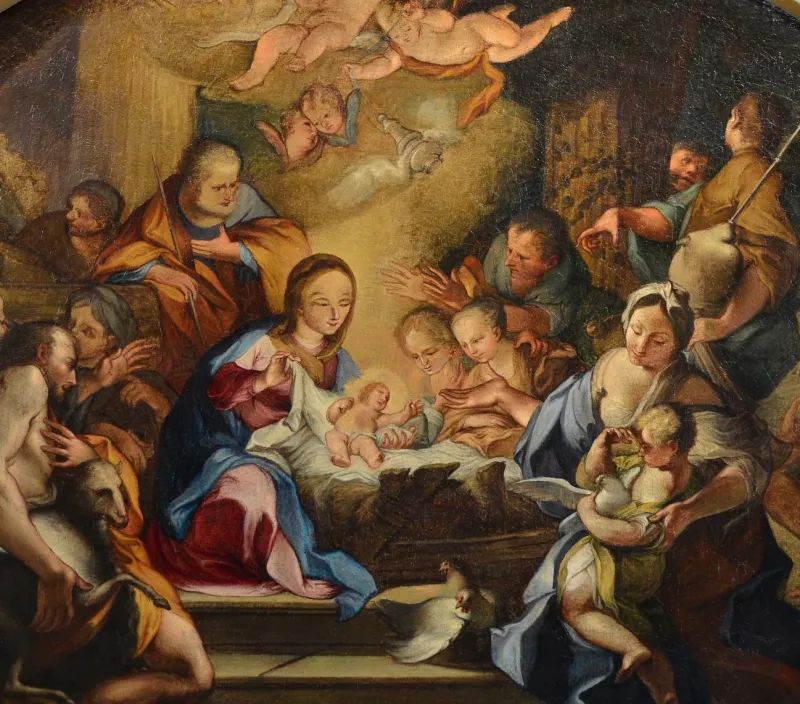
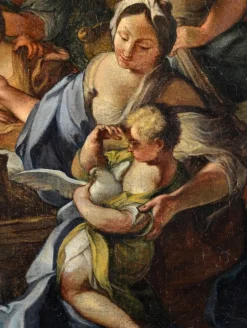
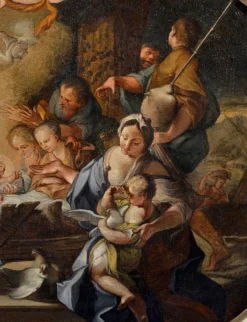
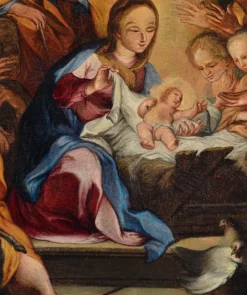
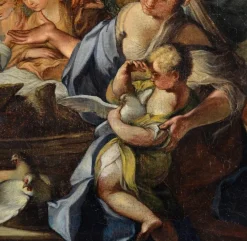
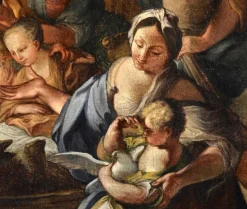
The work, which depicts the Adoration of the Shepherds, is striking not only for its large size but also for the strong scenographic effect of its evocative nocturnal setting. The overall effect is spectacular, with a pleasing light effect emanating from the Child, the fulcrum of the composition, and gradually fading as it reaches the more distant figures.
A number of paintings with the same subject or minor variations have been offered at international auctions with considerable estimates.
Its composition and construction are inspired by a Neapolitan painting by Guido Reni (conserved at the Certosa di San Martino), which Conca certainly studied during his early training in Naples in the workshop of Francesco Solimena.
He later established a workshop in Rome, where his pictorial style developed toward a late Baroque Neoclassical style.
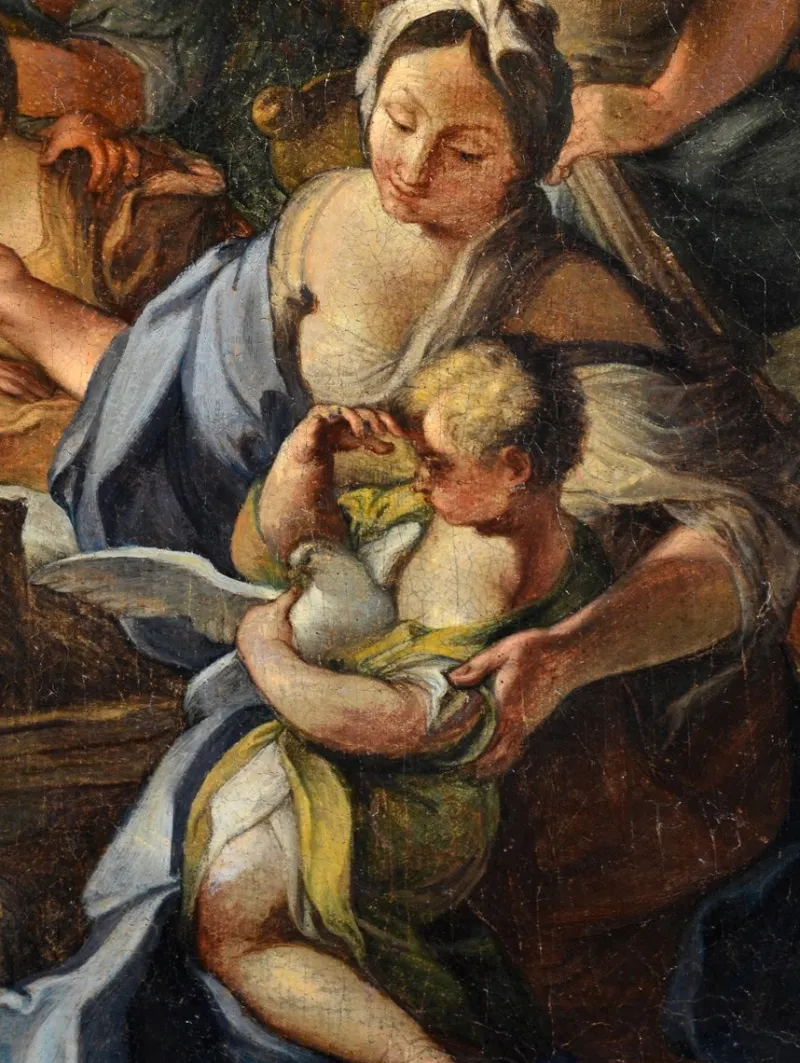
Late Baroque characteristics of the painting include the illusionistic effect of perspective and, above all, the scenographic and theatrical representation of the subject matter. However, the masterful use of chiaroscuro and the highly expressive nature of the subjects are elements typical of Neoclassicism.
The reasons for his resounding success can be traced to the painter’s remarkable ability to act as an eclectic mediator of the various elements that had developed over the course of the 17th century: the grandiose and grandiose scenography, inherited from Giordano, learned during his years of apprenticeship and collaboration with Solimena, and the more measured and composed style of Maratta’s reforming classicism, to which he gained more direct access when he moved to Rome.
Conca’s skill was thus to balance both tradition and the cautious innovations of the moment, balancing and enhancing the diverse and multifaceted components of the late Baroque style.
STATE OF PRESERVATION:
The canvas, in good condition, is accompanied by an ivory-colored lacquered frame.
The work is sold with a legally required photographic certificate of authenticity.
The seller assumes all responsibility for this listing.
About This Piece
The Adoration of the Shepherds
Oval oil on canvas, (cm): 122 x 99, framed
This attractive painting, an oval-shaped oil on canvas, is a re-edition of a painting by Sebastiano Conca executed around 1710 for Cardinal Pietro Ottoboni (now housed at the Paul Getty Museum in Los Angeles), which was very successful in the early 18th century.
The work, which depicts the Adoration of the Shepherds, is striking not only for its large size but also for the strong scenographic effect of its evocative nocturnal setting. The overall effect is spectacular, with a pleasing light effect emanating from the Child, the fulcrum of the composition, and gradually fading as it reaches the more distant figures.
A number of paintings with the same subject or minor variations have been offered at international auctions with considerable estimates.
Its composition and construction are inspired by a Neapolitan painting by Guido Reni (conserved at the Certosa di San Martino), which Conca certainly studied during his early training in Naples in the workshop of Francesco Solimena.
He later established a workshop in Rome, where his pictorial style developed toward a late Baroque Neoclassical style.
Late Baroque characteristics of the painting include the illusionistic effect of perspective and, above all, the scenographic and theatrical representation of the subject matter. However, the masterful use of chiaroscuro and the highly expressive nature of the subjects are elements typical of Neoclassicism.
The reasons for his resounding success can be traced to the painter’s remarkable ability to act as an eclectic mediator of the various elements that had developed over the course of the 17th century: the grandiose and grandiose scenography, inherited from Giordano, learned during his years of apprenticeship and collaboration with Solimena, and the more measured and composed style of Maratta’s reforming classicism, to which he gained more direct access when he moved to Rome.
Conca’s skill was thus to balance both tradition and the cautious innovations of the moment, balancing and enhancing the diverse and multifaceted components of the late Baroque style.
STATE OF PRESERVATION:
The canvas, in good condition, is accompanied by an ivory-colored lacquered frame.
The work is sold with a legally required photographic certificate of authenticity.
Click here for full descriptionClose description
| Period | Before 1890 |
|---|---|
| Year | 1720 |
| Production Period | Before 1890 |
| Country of Manufacture | Italy |
| Identifying Marks | This piece is attributed to the above-mentioned designer/maker. It has no attribution mark |
| Style | Classical, Figurative, Grand Tour, Italian, Louis XIV, Old Masters, Portraiture, Renaissance, Baroque, Rococo |
| Detailed Condition | Good — This vintage/antique item may have some wear such as scratches and other signs of ageing. |
| Restoration and Damage Details | Light wear consistent with age and use, Patina consistent with age and use, Reupholstered, Partially restored |
| Product Code | CYT-2273333 |
| Materials | Oil on Canvas |
| Color | Multicolored |
| Width | 99 cm 39.0 inch |
| Depth | 12 cm 4.7 inch |
| Height | 122 cm 48.0 inch |
Be the first to review “Hot Pamono Circle of Sebastiano Conca, Adoration of the Shepherds, 1720, Oil on Canvas”
Related products
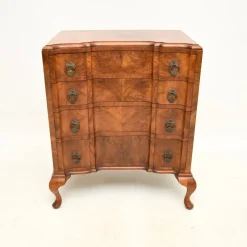
Dressers, Commodes & Chests
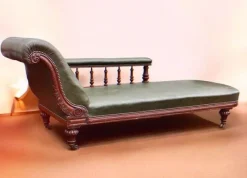
Daybeds & Chaises Lounges
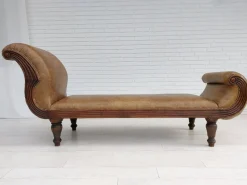
New Pamono Antique Victorian Oak Chaise Longue in Green Leather with Brass Castors


Coffee & Side Tables
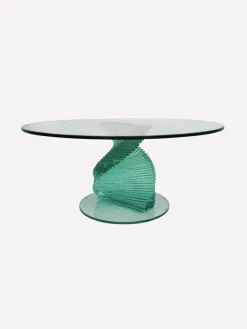
Sale Pamono Helix Spiral Sculptural Glass Coffee Table in the style of Danny Lane, 1980s

Dining Tables & Sets
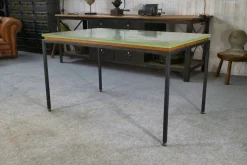
New Pamono Vintage Table in Glass and Black Lacquered Metal, 1960s
Daybeds & Chaises Lounges
Login
Reviews
There are no reviews yet.